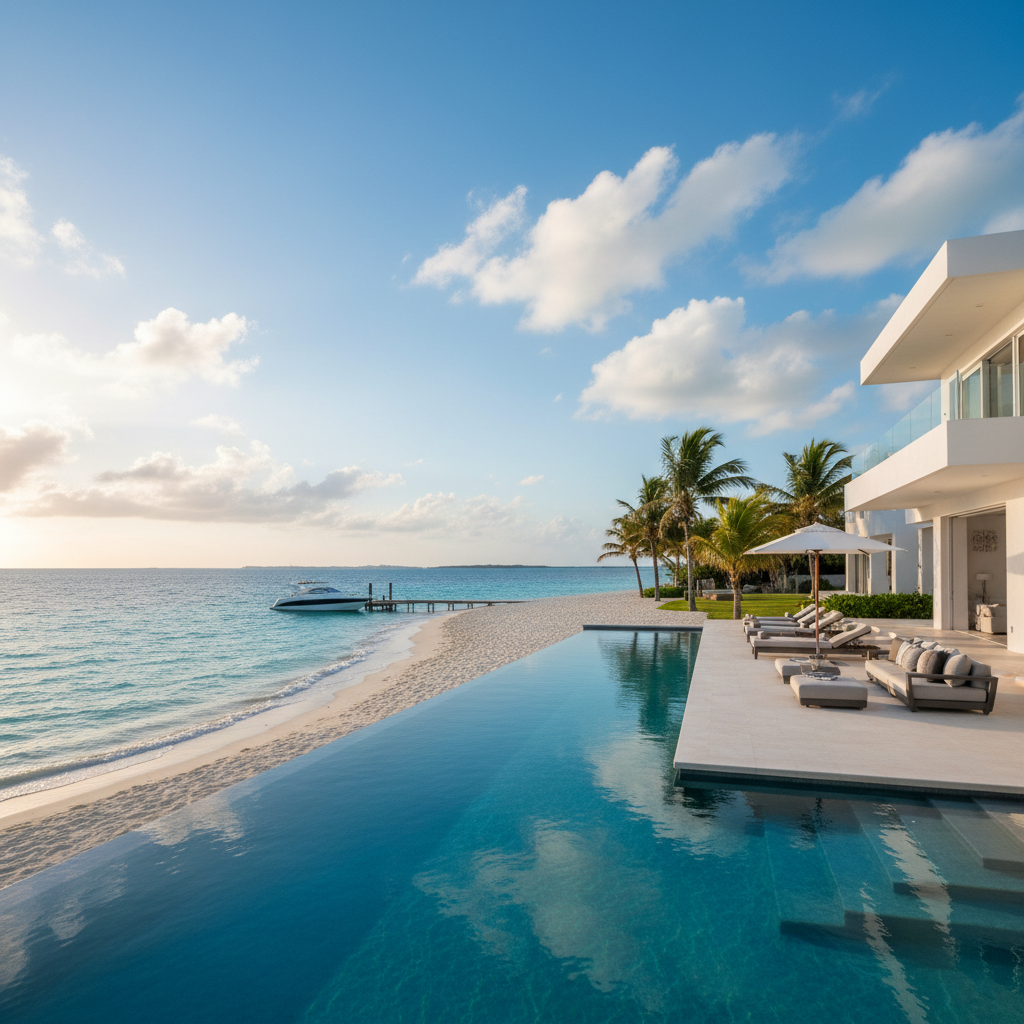
Expat Guide to Punta Cana: Living in Caribbean Paradise
Punta Cana is the Caribbean's premier destination for high-net-worth expats seeking a tropical paradise with world-class amenities, investment potential, and a favorable tax environment. This expat guide to Punta Cana covers everything you need to know about making this Dominican Republic gem your home.
Why Punta Cana? The Caribbean's Most Accessible Paradise
Punta Cana offers an unbeatable combination of natural beauty and modern infrastructure: direct flights from 40+ cities in North America and Europe, 30+ miles of pristine beaches with turquoise waters, 12 championship golf courses designed by legends like Jack Nicklaus, favorable tax regime (no tax on foreign income), lower cost of living than comparable Caribbean destinations, and a warm, welcoming culture with a large established expat community.
Residency Options
Investment Visa (Permanent Residency)
Property investment of USD 200,000+ can qualify you for Dominican permanent residency, with a path to citizenship after 2 years.
Retirement Visa (Pensionado)
For those with monthly pension income of USD 1,500+ (or USD 2,500+ for a couple), offering temporary residency leading to permanent.
Temporary to Permanent Residency
Standard pathway: temporary residency (1 year) → permanent residency (valid 4 years, renewable) → citizenship eligibility after 2 years of permanent residency.
Best Areas for Luxury Living
Cap Cana
The most exclusive development in the Dominican Republic, Cap Cana offers a marina (capacity for 1,000+ yachts), three Jack Nicklaus-designed golf courses, luxury villas from USD 800K to USD 10M+, private beach clubs and equestrian facilities, and 24-hour security.
Punta Cana Resort & Club
Home to the Punta Espada Golf Course (ranked #1 in the Caribbean), offering luxury homes, the exclusive Tortuga Bay hotel (designed by Oscar de la Renta), and a private airport.
Puntacana Village
A master-planned community near the airport with modern homes, apartments, and townhouses from USD 200K to USD 1M+, popular with full-time expat residents.
Bavaro
The main tourist and residential area, offering beachfront condos and villas from USD 150K to USD 2M+.
Buying Property in the Dominican Republic
The purchase process is straightforward: obtain a Dominican tax ID (RNC) or use your passport; sign a purchase option contract with a 10% deposit; due diligence verifying title at the Title Registry; sign the sale contract before a notary; pay transfer tax (3% of property value); register the new title deed (typically 30–60 days). Foreigners have the same property rights as Dominicans. Title insurance is available.
Tax & Financial Planning
The Dominican Republic offers a tax-friendly environment: no tax on foreign-source income; property tax 1% annually on properties above DOP 8.3 million (approx. USD 145,000); transfer tax 3% of property value; income tax (resident) 15–25% on Dominican-sourced income; no capital gains tax on real estate sales; no inheritance tax between spouses and direct descendants.
Healthcare & Education
Private healthcare in Punta Cana includes Hospiten Bávaro and IMG Hospital. International schools include Punta Cana International School (bilingual, near Cap Cana) and Cap Cana Heritage School (American curriculum).
FAQ
Can foreigners buy property in Punta Cana? Yes, foreigners have the same property rights as Dominican citizens, with full title ownership.
Is Punta Cana safe for expats? Yes, gated communities like Cap Cana and Punta Cana Resort have 24-hour security. The area is one of the safest in the Caribbean.
What is the cost of living in Punta Cana? A luxury lifestyle costs USD 3,000–8,000/month for a couple, significantly less than comparable Caribbean destinations.
Ready to make Punta Cana your Caribbean home? Contact The Address for a confidential consultation, or explore our luxury properties in the Dominican Republic.