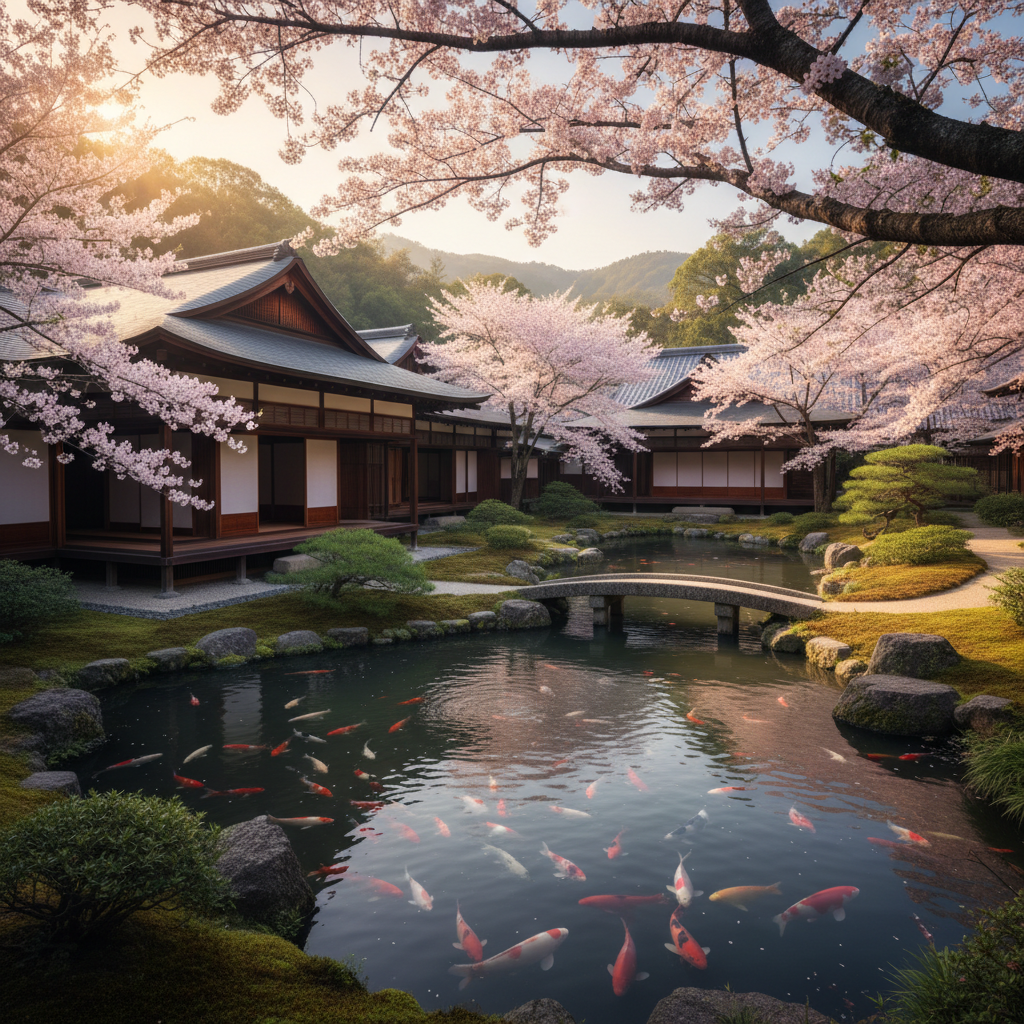
Moving to Tokyo: The Ultimate Expat Guide
Tokyo is one of the world's most fascinating cities — a seamless blend of ancient traditions and cutting-edge modernity. Moving to Tokyo offers HNWI expats an exceptional quality of life, world-class infrastructure, unparalleled safety, and access to one of Asia's most dynamic economies.
Why Tokyo? Asia's Most Livable Megacity
Tokyo consistently ranks among the world's most livable cities, offering exceptional safety (one of the world's lowest crime rates), world-class public transportation, Michelin-starred dining (more than any other city globally), four distinct seasons, and universal healthcare with excellent standards.
Visa & Residency Options
Business Manager Visa
For those establishing or managing a business in Japan: requires a physical office in Japan, minimum capital of ¥5 million (approx. $35,000), renewable 1–5 year visas, path to permanent residency after 5–10 years.
Highly Skilled Professional Visa
Points-based visa offering fast-track to permanent residency (1–3 years) and preferential treatment for family members.
Work Visa
For employees of Japanese companies, sponsored by the employer. Category depends on the profession.
Best Neighborhoods for Expat Living
Minato (Roppongi, Hiroo, Ebisu)
The heart of Tokyo's international community, home to embassies, international schools, and luxury residences. Rents from ¥400,000 to ¥2,000,000+/month for luxury apartments.
Shibuya (Daikanyama, Shoto)
Trendy, sophisticated areas with boutique shopping and cafes. Luxury homes from ¥300,000 to ¥1,500,000/month.
Setagaya (Seijo, Karasuyama)
Quiet residential neighborhoods popular with expat families, offering larger homes and international schools nearby.
Chiyoda (Nagatacho, Bancho)
Prestigious central area near the Imperial Palace, popular with diplomats and executives.
Renting & Buying Property
Renting
The Japanese rental process includes unique customs: key money (reikin) — a non-refundable gift to the landlord (1–2 months' rent); deposit (shikikin) — refundable (1–2 months); guarantor (hoshounin) — required; agent fee — 1 month + tax. Total upfront cost: 4–6 months' rent.
Buying
Foreigners can buy property in Japan with no restrictions. No property purchase tax for foreigners. Registration tax: 2% of property value. Mortgages available for long-term residents.
Cost of Living
A luxury lifestyle for an expat family in Tokyo: luxury apartment (3BR) ¥400,000–¥1,500,000/month; international school ¥2,000,000–¥3,000,000/year per child; private health insurance ¥50,000–¥100,000/month; dining and lifestyle ¥300,000–¥500,000/month.
Healthcare & Education
Japan's healthcare system is world-class. International clinics in Roppongi and Hiroo offer English-speaking doctors. Top international schools include American School in Japan (ASIJ), British School in Tokyo (BST), Nishimachi International School, and Tokyo International School.
FAQ
Can foreigners buy property in Tokyo? Yes, there are no restrictions on foreign property ownership in Japan.
What is key money? Key money (reikin) is a non-refundable gift to the landlord, typically 1–2 months' rent, unique to Japan's rental system.
How long to permanent residency? Typically 5–10 years of continuous residence, or 1–3 years for highly skilled professionals.
Ready to make Tokyo your home? Contact The Address for a confidential consultation, or explore our luxury properties in Japan.